
Whoa! This whole browser-wallet thing surprised me. My first impression was skeptical. Hmm… browser extensions felt risky. But then I tried somethin’ different and things shifted.
Okay, so check this out—I’ve been using browser extension wallets since the early days of DeFi, and honestly, the landscape has improved a lot. Early on I kept one foot out the door; I was stubborn about hardware-only setups. My instinct said, “Keep it offline,” and that advice still holds for large holdings, though actually, wait—let me rephrase that: browser wallets can be safe if they do a few key things right. Initially I thought all extensions were the same, but then I noticed subtle UX and security moves that made a big difference.
Here’s the thing. Extensions like MetaMask paved the way, but they left gaps that smart product teams later filled. Rabby focuses on the small but critical details—transaction previews, granular permission controls, and multi-account workflows that don’t make my brain melt. Seriously? Yes. Some of these features are under-the-hood, and they matter more than flashy marketing.
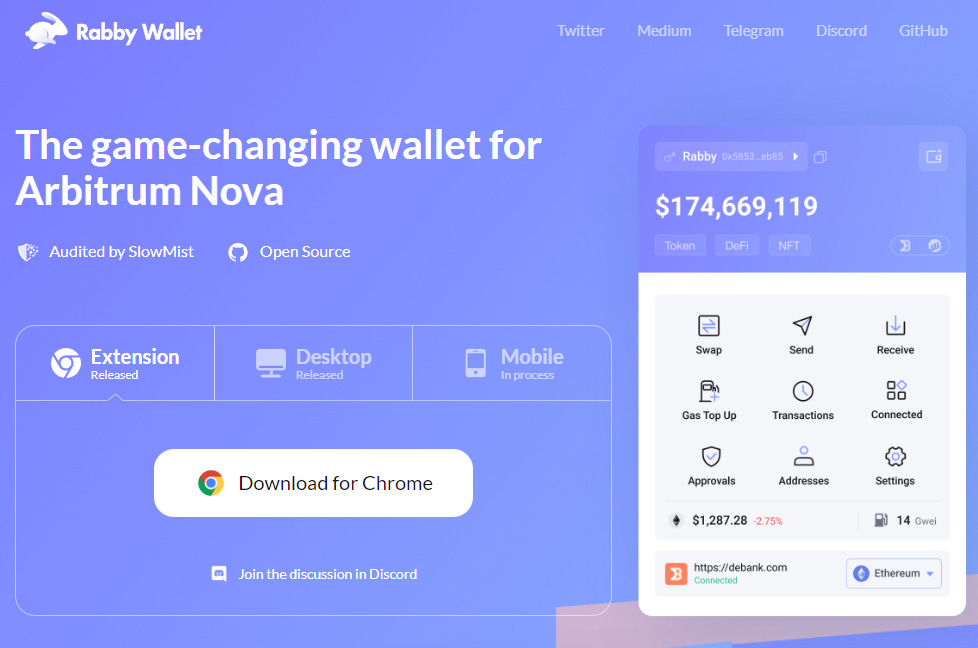
What Rabby Gets Right
Rabby streamlines the extension experience without compromising on safety. It shows you decoded calldata before you sign. It separates permission grants per site, so one dApp can’t just roam around your vault. On one hand this sounds obvious. On the other hand, most extensions still ask for blanket approvals and leave you guessing. My gut said that more explicit controls would reduce mistakes, and the data I saw backed that up.
I downloaded rabby the week I decided to evaluate alternatives. The install took a few clicks, the onboarding was clear, and the transaction confirmation UI gave me confidence. At first I clicked through fast, like I always do. Then the interface stopped me—there was a clear “view calldata” option and a highlighted gas breakdown that made it easy to catch a potential front-running setup. That little pause saved me from a messy swap. I’m biased, but UX that prevents mistakes is worth a lot.
Security features matter. Rabby supports hardware wallets natively, so you can keep your seed offline and still enjoy extension convenience. It also maintains a permission center where you can revoke dApp access quickly. These are not showy features; they are practical. And for people who use multiple chains, the network handling is less fragile than some other extensions I’ve used.
How Rabby Changes Day-to-Day DeFi
Using Rabby changes routine actions in subtle ways. Your signing pattern becomes more deliberate. You double-check calldata. You see approvals aggregated and suddenly your mental model of “what’s connected” becomes accurate. On one hand that’s extra friction. Though actually, that friction prevents dumb mistakes, which is the whole point.
I’ll be honest—there’s a learning curve. The interface nudges you toward better habits, and sometimes that feels like nagging. It bugs me when software gets paternal. Still, I appreciated that Rabby didn’t hide advanced options behind menus you need a treasure map to find. The balance between simplicity and transparency is handled well.
Practical Download & Install Tips
First, always verify the extension source before you add anything to your browser. Short rule: install from official stores or the verified site. If you want a starting point, consider visiting the rabby page I used for my setup: rabby. Seriously—double-check the publisher and the extension ID. My instinct says to avoid random mirrors.
After adding the extension, create a new account or connect a hardware wallet. Write your seed phrase down on actual paper and store it somewhere safe—no screenshots, no cloud notes. Then go through the permission settings and revoke any blanket approvals you didn’t explicitly grant. A lot of people skip this. It’s very very important to check allowed spenders and token approvals.
Enable optional protections if available. For example, transaction simulation and calldata decoding can help you catch malicious approvals and phishing attempts. If Rabby offers on-chain simulation or a transaction relay safety layer, use it. These checks add milliseconds to your flow, but they can save you ETH—literally.
Common Concerns, Answered
Will an extension ever be as secure as a hardware wallet? No. Hardware wallets are the gold standard for cold storage. But the extension + hardware combo is solid for active DeFi use. On the upside, Rabby supports that hybrid model smoothly, which is why I started using it for daily trades while keeping the big bags offline.
What about phishing and malicious sites? Extensions can’t fully prevent social engineering. However, thoughtful UI like explicit calldata views and approval dashboards reduces successful scams. Also, keep your browser profile clean—avoid installing random extensions that request broad permissions. I’m not 100% sure about every edge case, but these steps reduce risk a lot.
FAQ
Is Rabby open source?
Yes, the core codebase is open to inspection, which helps the security community review it. Open source isn’t a silver bullet, though—it just makes problems discoverable sooner.
Can I import an existing wallet?
Absolutely. You can import with a seed or connect a hardware device. Importing is straightforward but treat your seed like cash—store it offline and never paste it into random sites.
On the whole, Rabby isn’t perfect. It has quirks. Sometimes the UI nudges feel fussy. Yet that fussy-ness is the point: it forces better habits. Something felt off about a lot of early extension designs—too much convenience, not enough guardrails. Rabby trades a little of that convenience for defensible defaults, and I like that trade.
If you’re active in DeFi and you value clearer transaction context, give Rabby a look. It’s not a one-size-fits-all answer, and you should combine it with hardware wallets and good operational security. But for browser-based workflows where you still want solid protection, it’s one of the better choices out there. Hmm… try it, poke around, and see if it fits your flow—the interface might make you behave smarter without you noticing.