
These accounts track obligations such as unpaid vendor bills, loans, and other debts so you can manage upcoming payments. They include the resources you use to operate, from cash in the bank to equipment in the field. To properly allocate indirect costs, nonprofits employ various strategies such as using cost drivers or activity-based costing methods. However, tracking indirect costs can pose challenges due to their nature and potential variability.

The Foundation of Financial Organization: Understanding a Sample Chart of Accounts with Numbers
This standardization is particularly relevant when dealing with transactions such as the IRS Treas 310 Tax Ref, as it ensures that all financial activities are categorized correctly for tax purposes and compliance. Meanwhile, let’s look at the general ledger real quick because general ledger uses the accounts listed in the chart of accounts to record and organize financial transactions. The chart of accounts, at this point, serves as a structure under which the general ledger operates. The chart of accounts (COA) is a list of accounts a company https://www.pufflesoft.com/indianapolis-accounting-firm-indianapolis-cpa-firm/ uses to record its financial transactions. It’s a fundamental accounting framework you use to organize your financial records and build reporting around. In this sample chart of accounts numbering system, the company breaks its cost of goods sold (COGS) off into its own account name and number group, allowing it to categorize transactions with greater detail.
- Understanding indirect costs and allocating them to appropriate accounts can provide a clearer picture of your organization’s financial health.
- The total liabilities reflect the company’s debts and obligations that need to be settled in the future.
- For example, we have several clients with subsidiaries located in the United States that are required to use accrual accounting (US GAAP) for US taxation purposes.
- Uniform Chart of Accounts deals with the financial transactions of the public school report.
- Angela Boxwell, MAAT, is an accounting and finance expert with over 30 years of experience.
SAP Business One
An additional discussion chart of accounts numbering of what constitutes a comparable standard is provided in the release notes. Outsource national GAAP to a licensed national accountant / insured tax advisor . Instead, the approach we recommend is to separate IFRS | US GAAP and national GAAP accounting. A change in law, that would allow IFRS to be used to determine taxable income (thus eliminating this CZ GAAP adjustment) is under consideration.
Create Separate Accounts for Important Entries
A well-structured chart of accounts is the backbone of accurate financial statements. It ensures that all financial transactions are categorized correctly, which directly impacts the reliability of the balance sheet, income statement, and statement of cash flows. Without a clear and consistent chart of accounts, generating accurate and meaningful financial reports becomes nearly impossible. The best way to structure a Chart of Accounts (CoA) is to customize it to fit your business while following standard accounting principles.

Reports get messy, tax prep takes unearned revenue longer, and you waste valuable time sorting through confusing or duplicated accounts. Numbers are added to each account to make it easier to find and sort information. It’s like giving each file in your filing cabinet a special number so you can grab it quickly. This makes it simple to see how different parts of your business are doing. This way, you know that anything starting with “1” is an asset, and anything starting with “11” is a current asset.

Small Business Tax Deadlines – 2023
Understanding indirect costs and allocating them to appropriate accounts can provide a clearer picture of your organization’s financial health. When using a chart of accounts, it’s important to consider the principles of managerial accounting. This will help you track and analyze financial information effectively. By organizing your codes in a logical and meaningful way, you can ensure that your chart of accounts is an effective tool for managing your company’s finances. By the end, you’ll have all the knowledge necessary to implement a well-structured chart of accounts that meets the unique needs of your non-profit organization. The most important component when working with a chart of accounts is consistency, which enables the comparison of financials across multiple accounting periods and business units.
Consider Future-Proofing Your Numbering Structure
- Obviously, since managerial accounting is important to management, the COAs are also designed to be expandable.
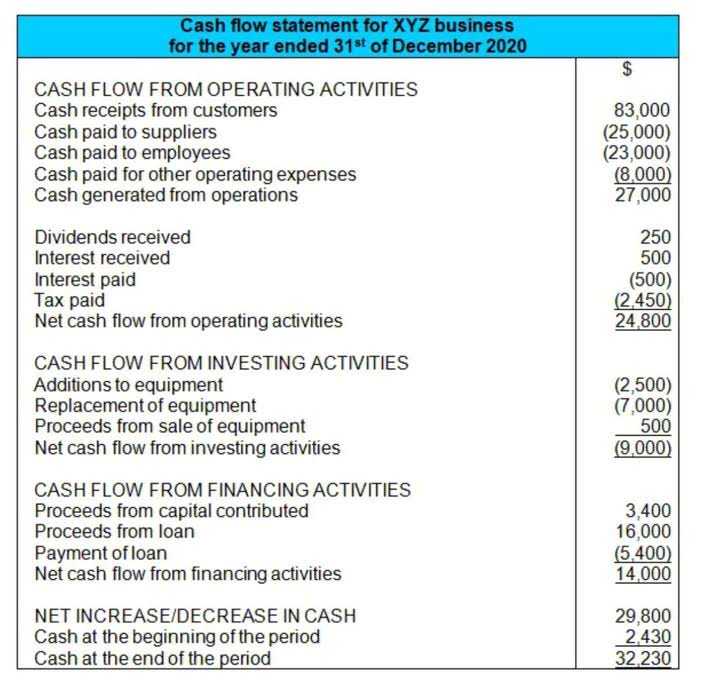
- Pairing this with a cash flow statement template can give your team even more clarity into your financial position and decision-making needs.
- The chart of accounts is useful in maintaining consistency and data integrity in recording transactions.
- Assets represent everything a business owns or controls that has monetary value.
- Department code – This is usually a two-digit code that identifies a specific department within a company, such as the accounting, engineering, or production departments.
- TYou can keep track of these stages with the Raw materials inventory, Work-in-progress inventory, and Finished goods inventory accounts, monitoring the value at each production step.
For example, many accounts that are essential in manufacturing are not commonly used by retail businesses, including the composition of cost of goods sold (COGS). The structure of the chart of accounts makes it easier to locate specific accounts, facilitates consistent posting of journal entries, and enables efficient management of financial information over time. These standards provide guidelines for financial reporting, including the structure of the COA. Accounting software can facilitate standardization, providing pre-defined templates that align with generally accepted accounting principles (GAAP).